Smooth Concrete to Condos: How to Stop Your City From Paving Over Skate Culture
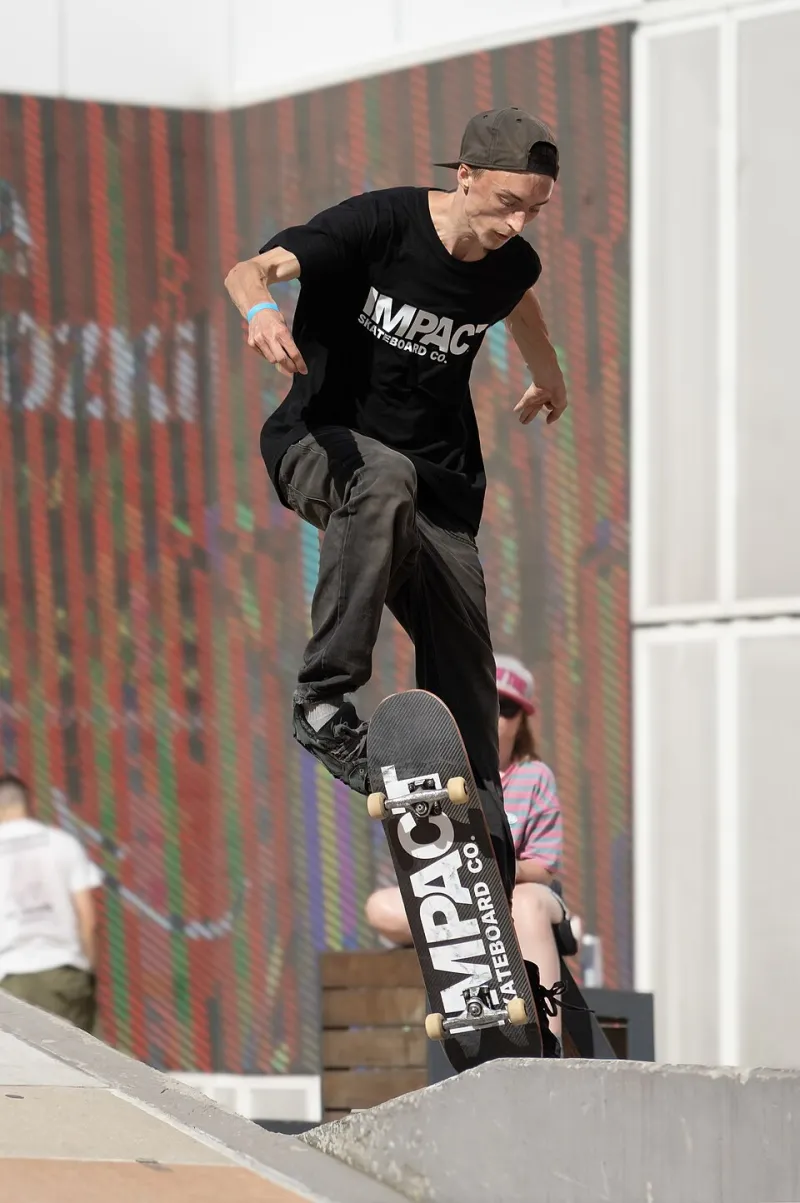
Photo: Krzysztof Popławski, CC BY 4.0, via Wikimedia Commons
There's a specific kind of grief that hits when you roll up to a spot you've skated for years and find a freshly poured concrete barrier bolted exactly where your favorite ledge used to be. It's not just inconvenient. It feels personal—because it is. Across American cities, urban redevelopment isn't just reshaping skylines. It's quietly, systematically erasing the terrain that gave street skating its soul.
And the worst part? By the time most skaters notice, the fight is already half over.
The Pattern Nobody Warns You About
Gentrification doesn't announce itself. It starts with a city council rezoning vote that gets three sentences in the local paper. Then comes a developer's rendering—all smiling pedestrians and artisan coffee shops—and somewhere buried in the fine print is the destruction of the open plaza, the low-slung government building with perfect marble curbs, or the underpass that your crew has sessioned since high school.
Look at what happened in cities like San Francisco, Atlanta, and Philadelphia over the past decade. Iconic street spots didn't just get skate-stopped—they got demolished entirely in the name of 'neighborhood improvement.' The Love Park saga in Philly is maybe the most famous example: a decades-long battle between skaters and city officials that ended with a redesign explicitly intended to kill the skating. Even after a partial restoration in 2016, the new version was engineered to be unskateable. Progress, apparently, looked like marble pavers with hidden metal edges.
This is the playbook. Developers and city planners rarely target skate spots out of pure spite. What they're targeting is accessible public space—open, unmonitored, free-to-use terrain that doesn't generate revenue or fit neatly into a brand identity. Skating just happens to thrive in exactly those spaces.
Who's Actually Making These Decisions
Here's something most skaters don't realize: the people deciding whether your spot survives aren't usually the mayor or the cops. They're urban planners, business improvement district (BID) managers, and city council members who sit on land use committees. These are folks who attend 7 p.m. public meetings in fluorescent-lit rooms with bad coffee—meetings that almost nobody outside of developers and neighborhood association members ever shows up to.
BIDs in particular are worth understanding. These are private organizations funded by local businesses that have real influence over how public spaces get managed and designed. They're often the ones pushing for anti-skate hardware, 'activating' plazas with paid programming, or lobbying for redevelopment of the exact open spaces skaters depend on. They're not evil—they're just working toward goals that don't include you unless you make yourself part of the conversation.
City planners, on the other hand, are often more sympathetic than skaters expect. Several urban planning advocates around the country have been quietly pushing to include skate-friendly design elements in public spaces, arguing that skateable terrain is a feature, not a bug. The problem is that without organized community input, those voices get drowned out by developers with polished presentations and deep pockets.
Case Study: When Skaters Showed Up and Won
Not every story ends with a skate-stopped ledge. In Tulsa, Oklahoma, a coalition of local skaters partnered with urban planning students to successfully argue for the preservation of a downtown plaza during a redevelopment review. They didn't just show up angry—they showed up with data, photos documenting years of community use, and a counter-proposal that incorporated skate-friendly design into the new plans. The city didn't give them everything they wanted, but the space survived in a form that was still skateable.
In Detroit, skaters worked alongside community organizers to get a DIY skate feature recognized as a legitimate public amenity in a neighborhood master plan. It's now maintained with city funding. These wins don't make national news, but they're happening, and they share a common thread: skaters who understood that this was a political fight, not just a cultural one.
The Tactical Toolkit: What Actually Works
Show up early. The single most effective thing you can do is get involved before a project breaks ground. Most cities are required to hold public comment periods on major developments. Find out when those meetings are—your city's planning department website is usually the place to look—and get your crew there. Bring photos. Bring stories. Bring numbers.
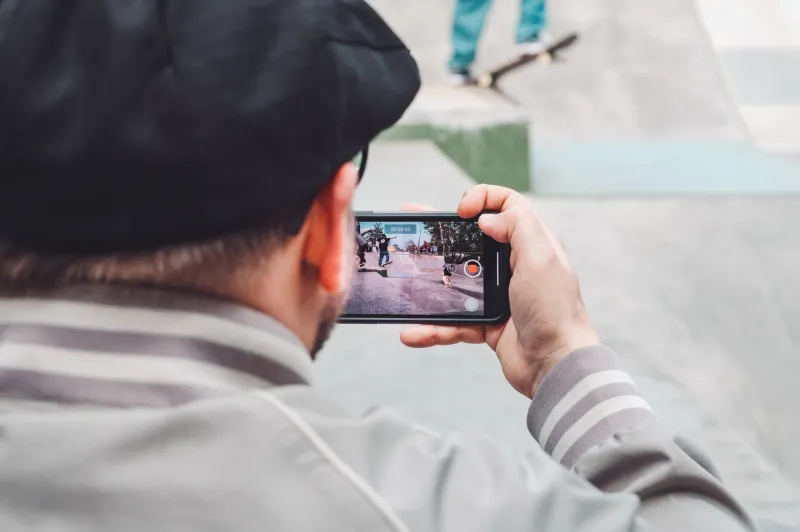
Document everything. Before a spot is threatened, build a record of it. Video of sessions, photos of the space being used by diverse groups of people, testimony about how long it's been a gathering point. This documentation becomes evidence of community value when you need to make a case to city officials.
Build coalitions outside the skate bubble. This is hard for some skaters to hear, but showing up as 'a bunch of skaters who want to keep skating here' is less powerful than showing up as 'a coalition of community members who use this public space.' Connect with parents, local artists, food vendors, teenagers who hang out in the area—anyone who has a stake in preserving accessible public space. Shared interests make for stronger advocacy.
Learn the language of urban planning. Terms like 'placemaking,' 'active public space,' and 'community-oriented design' are the vocabulary of city planning meetings. Using them doesn't mean selling out—it means being heard. Frame skating as what it actually is: a legitimate form of urban recreation that activates public space and builds community.
Engage local media. A well-timed story in a local alt-weekly or neighborhood blog can shift public perception fast. Journalists covering urban development are often looking for the human angle that makes a rezoning story relatable. You've got it.
Know your legal tools. Some cities have public space protection ordinances or historic designation processes that can be used to shield culturally significant locations. Organizations like the Skatepark Project and local legal aid groups can help you understand what tools are available in your area.
The Bigger Picture
What's at stake here is bigger than any single spot. Street skating has always been fundamentally about reclaiming public space—about insisting that cities belong to the people who live in them, not just the ones who can afford to pay for curated experiences. Every time a developer paves over a plaza or a BID bolts down skate stops, they're making an argument about who cities are for.
Skaters have always pushed back against that argument just by skating. But pushing back with organization, with political engagement, and with genuine community coalition-building? That's how you make it stick.
The streets aren't going to fight for themselves. But we can fight for them—and we've got more leverage than most people think. We just have to show up before the concrete dries.