Money, Logos, and Soul: What Nobody Tells You About Skate Sponsorships
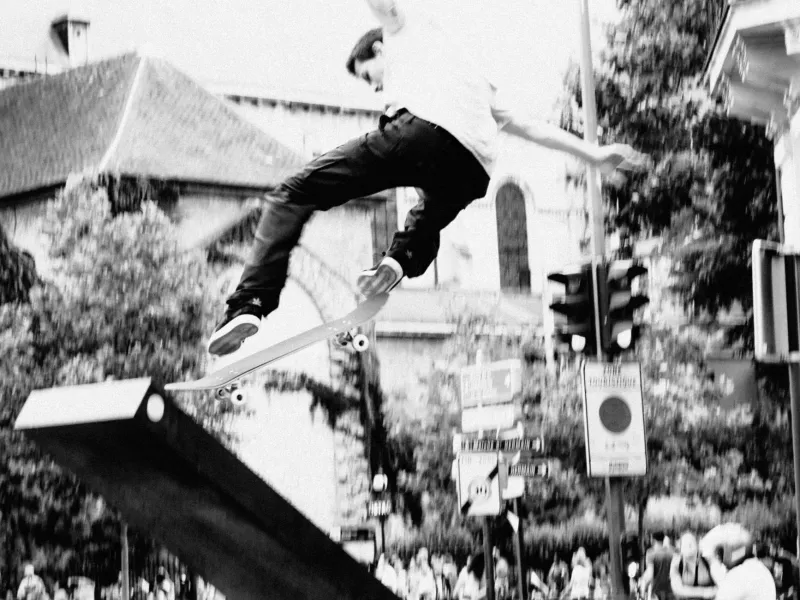
There's a moment most skaters know well. You're grinding a ledge in some parking lot, a stranger walks up, hands you a business card, and says something like, "We'd love to put you on." Your stomach does a thing. Part excitement, part suspicion, part something you can't quite name.
That feeling is the sponsorship conversation in miniature — and it doesn't get simpler the further you go up the chain.
For a culture built on independence, self-expression, and a healthy distrust of authority, skateboarding has a complicated relationship with corporate money. The "selling out" debate has been alive since at least the late '80s, but in 2024, the conversation has new layers. Brand deals are bigger, social media has turned exposure into currency, and the line between grassroots and corporate is blurrier than ever. So we went straight to the source.
What Skaters Are Actually Saying
Marcus T., a 24-year-old street skater from Atlanta who rides for a regional hardgoods brand, puts it plainly: "My first deal was product-only. Boards, wheels, trucks. I was hyped. Then I realized they wanted me to post three times a week, show up to demos I didn't believe in, and basically be a billboard. I quit after eight months."
His experience isn't rare. A lot of first-time sponsorships — especially at the flow or am level — are structured in ways that favor the brand almost entirely. The skater gets gear. The brand gets content, credibility, and reach. The math isn't always equal.
On the other side of that equation is Dani R., a 27-year-old from Chicago who's been on a mid-size apparel brand's roster for two years. "They found me through Instagram, but they never told me what to post or how often. They just asked me to rep the brand when it felt natural. I get a monthly stipend, free product, and they covered my trip to Philly last spring. It's been nothing but positive."
The difference between Marcus's deal and Dani's isn't just money — it's structure, expectation, and mutual respect.
The Anatomy of a Bad Deal
Bad sponsorship deals tend to share a few features, and learning to recognize them early can save you a lot of grief.
Vague contracts with heavy obligations. If a brand wants three posts a week, appearances at events, and approval rights over your content, but offers nothing more than free product in return, that's a job — an unpaid one. Read everything. If they won't put terms in writing, that's your answer.
Brands that don't actually skate. This one sounds obvious, but it matters. Energy drink companies, fast fashion brands, and lifestyle labels sometimes recruit skaters purely for aesthetic. They don't understand the culture, they don't support the scene, and they'll drop you the second the trend shifts. Ask yourself: does this company actually care about skateboarding?
Deals that restrict your voice. Some contracts include clauses that prevent you from speaking on social issues, partnering with other brands, or posting certain types of content. For skaters who've built their following on authenticity — on being real about race, mental health, gender, or anything else — signing away that freedom is a genuine loss.
No exit strategy. What happens if the deal goes sideways? If there's no clear termination clause, you could find yourself locked into something that no longer fits who you are.
When the Money Actually Makes Sense
Here's the thing nobody wants to admit in skate culture: taking money isn't inherently a betrayal. Rent is real. Medical bills are real. The cost of traveling to film a part, the wear on your body, the hours you're not working a day job — all of it adds up. Pretending otherwise is a privilege not everyone can afford.
Jordan M., 30, from Portland, has been riding for a small wheel company for four years and recently added a clothing brand to his roster. "I had people call me a sellout when I signed the apparel deal. But that deal let me quit my warehouse job and skate full-time for the first time in my life. I have more time to create, more freedom to travel, and I'm making better content than I ever did when I was exhausted from working 40 hours a week."
The best sponsorships function less like endorsements and more like partnerships. The brand believes in the skater's vision. The skater genuinely uses and believes in the product. There's alignment — creative, cultural, financial — and both sides walk away with something real.
The Questions You Need to Ask Before Signing Anything
If a deal is on the table, slow down. The excitement is real, but so is the fine print. Before you say yes, work through these:
- Who else is on the roster? If you respect the other riders, that's a signal. If you don't recognize any of them, dig deeper.
- What does the brand actually stand for? Not in their marketing copy — in their actions. Do they support local scenes? Do they pay their riders fairly? Have they ever been called out for shady behavior?
- What are they asking from you specifically? Get it in writing. Vague verbal agreements become arguments later.
- Does this limit where I can go? Some deals include exclusivity clauses that prevent you from working with other brands in the same category. Know what doors you're closing.
- Can I walk away if things change? Life evolves. Your values evolve. Make sure there's a reasonable out.
The Gray Zone Nobody Talks About
Not every sponsorship is a clean win or a clear sellout. Most fall somewhere in the middle — decent money, some creative friction, a brand you feel lukewarm about. That gray zone is where most working skaters actually live.
Marcus, who quit that first deal, eventually found a better fit with a smaller brand that let him film on his own terms. He's not getting rich, but he's not compromising either. "I'd rather have less money and keep my credibility," he says. "But I also get that not everyone can afford to think that way."
Dani still checks in with the brand before making major content decisions, but she's never felt controlled. "It's a relationship," she says. "Like any relationship, it works when both people are honest about what they need."
Jordan's take is the most pragmatic: "The culture romanticizes being broke and independent. But nobody's romanticizing it when they can't afford to see a doctor after a bad slam. Take the deal that lets you keep skating. Just don't take the one that makes you stop being yourself."
The Bottom Line
There's no universal answer to whether skaters should accept sponsorship money. The right call depends on your financial reality, your creative priorities, and whether the brand asking for your name actually deserves it.
What's clear is that the old binary — pure street skater versus corporate sellout — doesn't map onto how the industry actually works anymore. The brands, the deals, and the skaters have all gotten more complicated. So has the conversation.
Do your homework. Know your worth. Read the contract. And if a deal ever asks you to stop being the skater that made someone hand you that business card in the first place — walk.