When the Whole Internet Shows Up to Your Spot: The Hidden Cost of Skating Fame
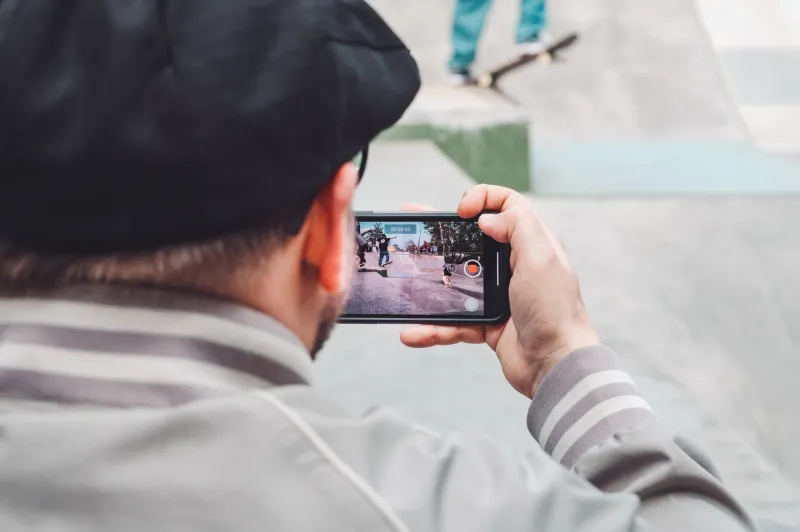
There's a stairset in South Philly that used to be a secret. Locals knew it, regulars sessioned it on weekday afternoons, and the vibe was tight — maybe eight or ten heads on a good day, everyone knowing each other by name. Then one Saturday morning, a clip dropped. Thirty seconds of raw skating, perfectly lit, set to the right track. By Sunday it had half a million views. By the following weekend, the stairset had a line.
"It felt like someone handed out our address to strangers," says Marcus, a 29-year-old skater who's been riding Philly streets since he was twelve. "And the worst part? Nobody asked."
This story isn't unique to Philly. From the marble ledges of downtown Atlanta to the banks beneath a certain bridge in Portland, the same pattern plays out again and again: a local crew finds something special, nurtures a scene around it, and then a clip goes viral and everything changes. What was once a community becomes a content destination.
The Algorithm Doesn't Care About Your Scene
Instagram and TikTok are built to surface the most visually compelling content to the widest possible audience. That's great for a skater's personal brand. It's often terrible for the spot itself.
When a location gets tagged — whether in a caption, a geotag, or just a recognizable background — it essentially becomes searchable. Skaters traveling to a new city now do what tourists do: they pull up a map of "must-skate" spots the same way someone might search for the best brunch place. The culture of discovery, of putting in the legwork to find your city's hidden architecture, is quietly eroding.
"There used to be a whole ritual to finding spots," explains Deja, a skate scene organizer based in Chicago who runs community sessions through a local nonprofit. "You'd spend months just rolling around, looking. That process built ownership. You felt connected to a place because you found it. Now kids just screenshot a location from someone's story and show up."
The influx of visitors isn't always unwelcome on a human level — skaters are generally a welcoming bunch. But volume changes dynamics. More bodies mean more noise, more conflict with security, and faster deterioration of the spot itself. Spots that locals quietly maintained for years get blown up in months once foot traffic spikes.
Wax on the Ledge, Cops at the Gate
One of the most direct consequences of viral exposure is increased security attention. Property managers who once ignored a small group of skaters start paying attention when fifty people show up with cameras and tripods. Cities that were slow to respond suddenly issue bans, install skate stoppers, or hire additional security patrols.
In Los Angeles, multiple spots that survived quietly for years got waxed over and spiked within months of going viral. "Security doesn't care about your subscriber count," says Theo, a 35-year-old Angeleno who's been documenting the city's street skating culture for over a decade. "All they see is a crowd, and a crowd means liability."
The cruel irony is that the skaters who built those scenes — who treated the spots with care, who cleaned up after sessions, who maintained low profiles to keep things alive — end up losing access because of people who weren't there for any of that. The original crew pays the price for someone else's fifteen seconds of fame.
Local Culture Gets Diluted, Not Celebrated
Beyond the physical access issues, there's a subtler cultural erosion happening. Every local skate scene has its own personality — its own tricks, its own music, its own unwritten rules about how a session goes. That texture gets flattened when a spot becomes a destination.
"Our scene had a whole thing," says Renata, who skates with a crew in Denver. "Certain ways we hyped each other, certain stuff we'd call out. It was ours. When outsiders started showing up in numbers, it just became... generic. Like any other session anywhere."
The problem isn't that new people showed up. It's that volume outpaced integration. A healthy scene can absorb newcomers — that's how scenes grow. But when fifty strangers arrive at once, there's no time for culture to transfer. The original flavor gets drowned out.
Some Crews Are Pushing Back — Strategically
Not everyone is sitting on their hands. Across the country, skaters and community organizers are developing ways to protect their scenes while still participating in digital culture.
One approach is deliberate vagueness. Skaters post footage without location tags, or tag a neighborhood rather than a specific address. Some crews have adopted informal agreements — clips from certain spots stay off social entirely, or get posted only after a significant delay, long enough that the moment feels passed.
"We call it the 48-hour rule for some spots," says Marcus. "You can post, but not until two days later. Enough time that the hype cycle doesn't land on us."
Others are leaning into redirection. Rather than protecting every spot, some organizers are actively promoting skate parks and permitted areas as alternatives — giving content-hungry skaters somewhere to point their cameras without exposing fragile street spots.
Deja's approach is more community-focused: "We do closed sessions at sensitive spots. You have to actually show up to one of our community events first. You earn the invite. That way we know who's coming through, and the culture stays intact."
The Brand vs. The Scene: A Tension Worth Naming
Let's be real — there's a genuine conflict here that doesn't have a clean resolution. Skaters have real incentives to post, to build followings, to leverage their skating into income and opportunity. The same platforms that blow up a spot can also build a career. Asking skaters to just... not post is asking them to leave money on the table.
The better conversation is about intentionality. What are you actually trying to share? A clip can showcase your skating without becoming a travel guide. A tight edit focused on movement and style rather than location reveals less than a wide establishing shot with recognizable landmarks in the background.
"You can still build a brand without burning down the village," Theo says. "It just takes a little more thought about what you're actually putting out there."
Owning the Streets Means Protecting Them
At Urban Skate Academy, we talk a lot about owning the streets — but ownership isn't just about skill. It's about stewardship. The spots that define a city's skate culture exist because generations of skaters treated them with enough care to keep them alive. That responsibility doesn't disappear because the internet made it easier to share.
Viral fame and local culture don't have to be enemies. But right now, for a lot of scenes, they're operating like they are. The fix isn't to go dark and stop documenting — skating's visual culture is too important for that. It's to be smarter, more deliberate, and more honest about the tradeoffs we're making every time we hit post.
The algorithm will always want more. The question is whether we give it everything.