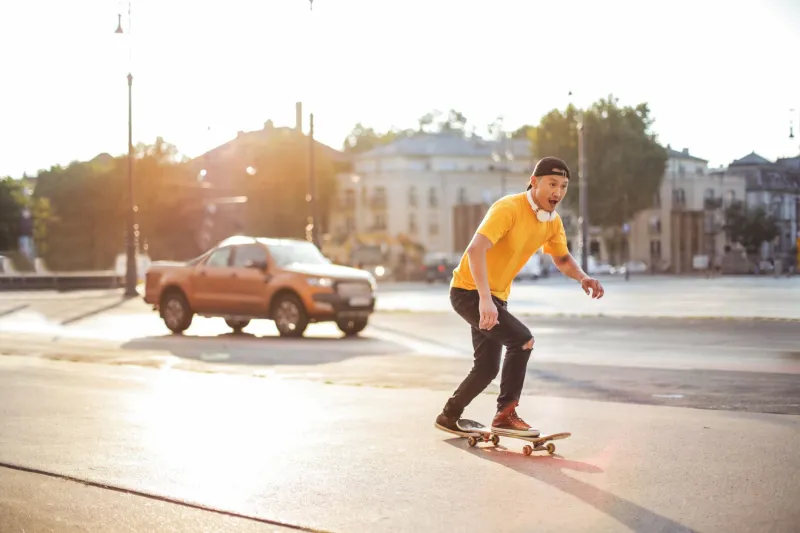
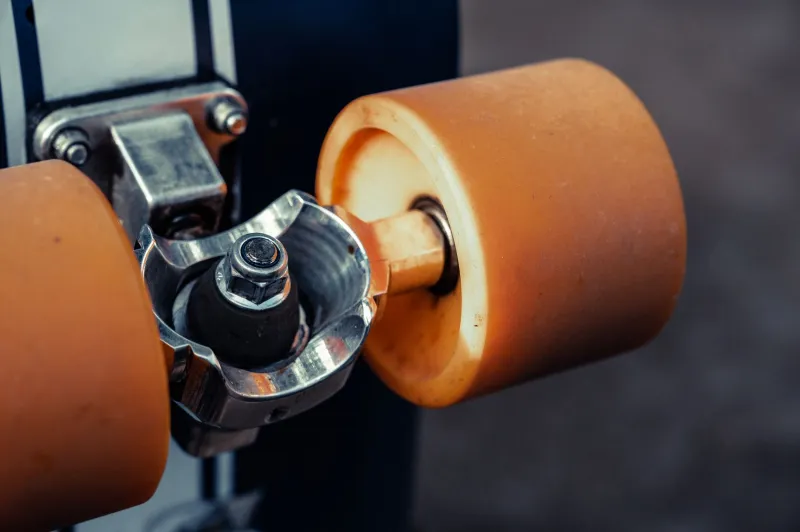
One Trick to Rule Them All: The Move That Rewired Street Skating Forever
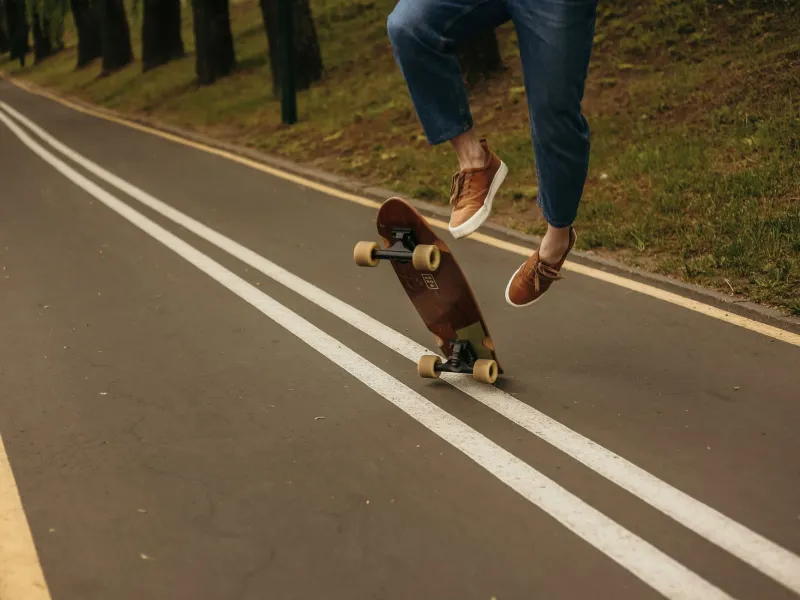
There's a moment in every skater's life when they watch something go down and think: that shouldn't be possible. The board defies gravity. The skater lands clean. The crowd loses it. And nothing in skateboarding is ever quite the same again.
That's what a watershed trick does. It doesn't just add a new move to the catalog — it blows the whole catalog open.
We're talking about the ollie. And if you think that's an obvious pick, you're right. But obvious doesn't mean the story's been fully told.
Before the Ollie, Skating Was a Different Animal
Cast your mind back to the mid-1970s. Skateboarding was exploding in California, but it was largely a ground-level game. Skaters were carving pools, riding pipes, and doing flatground footwork — impressive stuff, no doubt — but the street itself was basically a flat obstacle course. Curbs were barriers. Stairs were for walking. The terrain of the city was something you navigated around, not with.
That changed when Alan "Ollie" Gelfand figured out how to pop the tail of his board and suck his feet up in a ramp setting around 1977 in South Florida. The move was wild enough on its own — a no-hands aerial that looked like the board was glued to his feet. But when Rodney Mullen translated that motion to flat ground in 1982, the entire sport fractured at the seams.
Suddenly, the street wasn't a surface. It was a canvas.
What the Flatground Ollie Actually Unlocked
Here's the thing most people miss when they talk about the ollie: the trick itself isn't the revolution. What it did to everything else is the revolution.
Once skaters could pop off the ground without touching their board with their hands, every piece of urban architecture became a potential obstacle. Picnic tables. Handrails. Loading docks. The gap between two buildings. That cracked curb outside a bodega in Brooklyn. That smooth marble ledge in front of a bank in downtown Chicago. None of those things were skateable before the ollie. After it, they were all fair game.
Street skating — the kind that defines what most Americans picture when they hear the word "skateboarder" — simply does not exist without this one move. It's the foundational grammar that every trick since has been built on top of. Kickflips, heelflips, grinds, slides, manuals, gaps, stair sets — strip them all down and you'll find an ollie buried somewhere inside.
The Cultural Shockwave
The technical impact is enormous, but the cultural ripple effects are just as significant. When street skating exploded in the late '80s and early '90s — fueled by companies like Plan B, Girl, and Blind, and amplified by video parts from names like Mike Carroll, Guy Mariano, and Chad Muska — it wasn't just a new style of skating. It was a new relationship with the American city.
Skaters weren't just athletes. They were urban explorers, reading architecture the way surfers read waves. A courthouse plaza in Philadelphia became LOVE Park, arguably the most famous skate spot in US history. A stretch of downtown Los Angeles became a proving ground for a generation of pros. These weren't skate parks. They were real places, claimed and transformed by people with boards and the knowledge of how to ollie.
That shift — from purpose-built ramps to the raw city — defined skating's identity for decades. It shaped the fashion, the music, the attitude, and the DIY ethos that still runs through skate culture today. You can draw a direct line from Rodney Mullen's flatground ollie to every skate video ever filmed in a parking garage, every skater kicked out of a plaza, every "No Skateboarding" sign ever bolted to a bench.
How It Changed the Way Skaters Learn and Progress
For anyone teaching or learning skating today — and that's exactly what we're about here at Urban Skate Academy — the ollie's legacy shows up in something really practical: it established a progression model.
Before the ollie, there wasn't a clean ladder to climb. Skaters learned what they could and built from there, but the path was murky. After the ollie became the foundational move of street skating, a natural hierarchy emerged. You learn to push and balance. You learn to ollie. You build flip tricks on top of that. You start applying those tricks to obstacles. The mountain gets clearer, even if it never gets smaller.
That progression model is why skating can be taught at all in a structured way. It's why we can tell a brand-new skater: master this one thing first, and every door opens from there. The ollie isn't just a trick — it's the keystone of modern skate education.
Why Watershed Moments Matter More Than Trends
Skateboarding has had plenty of trends come and go — the tech-trick era, the big-stair era, the current resurgence of creative ledge skating and transition crossover. But watershed moments are different from trends. Trends fade. Watershed moments permanently expand what's possible.
The ollie is the clearest example, but it's not the only one. The kickflip's widespread adoption in the early '90s pushed technical skating into another dimension. The handrail era of the late '90s redefined courage and consequence in the sport. More recently, the blending of transition and street skating — influenced heavily by skaters like Ishod Wair and Ronnie Sandoval — is quietly reshaping what a "complete skater" even means.
Every one of these moments starts the same way: someone tries something that doesn't make sense yet, lands it, and films it. Then another skater watches that clip and thinks: wait, if that's possible, then what else is?
The Streets Are Still Being Rewritten
Here's what gets us hyped at Urban Skate Academy: the story isn't over. The next watershed trick is out there. Some kid in a parking lot in Atlanta or a DIY spot in Detroit or a schoolyard in East LA is probably working on it right now, not knowing that what they're building toward could split skating history the same way the ollie did.
That's the thing about foundational innovations — they don't announce themselves. They just land. And then suddenly, everything that came before looks like it was always leading to that moment.
Own the streets. But never stop asking what's next.