The Invisible Armor: Protective Accessories That Keep Street Skaters Skating for Years
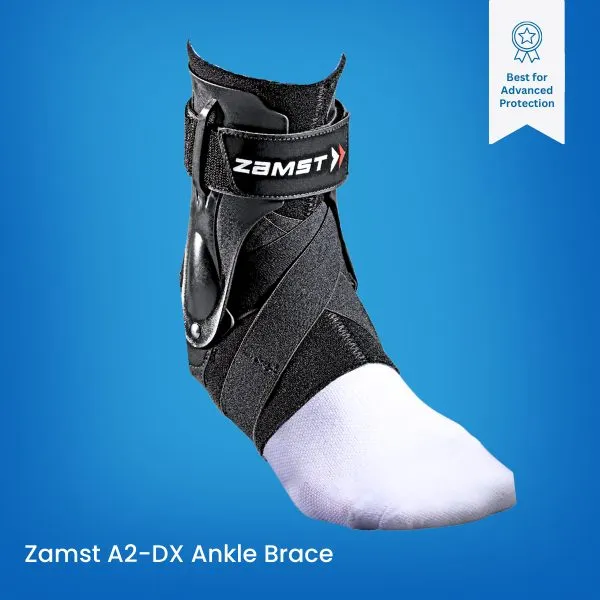
Photo: skateboarder ankle brace wrist wrap protective gear close up street skating, via cdn.skatedex.com
Walk into any skate shop in America and the safety section looks pretty much the same: helmets, knee pads, elbow pads. The basics. The stuff you'd hand a kid on their first board. And while none of that is wrong exactly, it tells maybe a third of the story—if that.
The protective gear that experienced street skaters actually rely on to stay healthy over years of serious riding rarely makes it onto beginner gear lists. It doesn't photograph as dramatically as a full pad set. It's not as marketable. But ask a 30-year-old street skater who's still putting in consistent sessions what's in their bag, and you'll hear about ankle braces, wrist wraps, pre-tape routines, and a handful of other tools that have nothing to do with the stuff hanging on those shop walls.
This is a guide to that gear. The invisible armor.
Why Street Skating Is a Different Animal
Before getting into specifics, it's worth understanding what makes street skating's injury profile distinct. Unlike vert or park skating, street skating involves highly unpredictable surfaces, inconsistent landings, and a lot of impact absorbed through the ankles, wrists, and knees in ways that aren't always dramatic enough to call an injury but accumulate into serious problems over time.
The big, obvious slams get all the attention. But it's the rolled ankles, the repetitive wrist compression, the chronic inflammation in the Achilles and peroneal tendons that actually end skating careers. The gear in this guide is designed specifically to address that slower, quieter damage.
Ankle Support: The Most Underprotected Joint in Street Skating
If there's one area where street skaters consistently under-invest in protection, it's the ankle. The ankle absorbs enormous force on every landing, and on uneven pavement or unexpected debris—which is basically the definition of street skating—the risk of rolling or spraining is constant.
Lace-up ankle braces are the gold standard for skaters who've had previous ankle injuries or who skate high-impact spots regularly. Brands like ASO and McDavid make braces that fit comfortably inside most skate shoes without dramatically affecting board feel. They limit the extreme lateral movement that causes sprains while still allowing the natural flex you need for skating.
Stirrup braces (the semi-rigid kind with plastic side panels) offer even more support and are worth considering during the recovery phase after a sprain or for skaters with chronically unstable ankles. They're bulkier, but if you're choosing between wearing one and sitting out another six weeks, the choice is obvious.
Pre-taping is the technique that a lot of skaters swear by as a lighter-weight alternative. Using athletic tape (zinc oxide tape is the most popular) to create a heel-lock and figure-eight pattern around the ankle before sessions takes about five minutes to learn and adds real stability without the bulk of a brace. There are solid tutorials online, and learning proper taping technique from a physical therapist or athletic trainer is worth the one-time investment.
One thing to be aware of: high-top skate shoes do not provide meaningful ankle support. The ankle joint sits above the collar of even the tallest skate shoe. High-tops are a style choice, not a safety one.
Wrist Protection Beyond the Basic Guard
Wrist guards are the most commonly recommended piece of protective gear in skating, but most skaters either never wear them or toss them after their first few sessions because they feel clunky and interfere with grip. That's a real problem, because wrist fractures and chronic compression injuries are among the most common—and most debilitating—skating injuries out there.
The solution isn't to skip wrist protection. It's to find the right kind.
Low-profile wrist wraps designed for skateboarding (brands like Triple Eight and Pro-Tec make skate-specific versions) offer significantly more flexibility than the rigid-splint guards typically sold to beginners. They stabilize the wrist against impact extension without locking your hand into a fixed position. For skaters who want protection without sacrificing feel, these are the move.
Fingerless wrist guards are another option worth trying. They protect the palm and wrist—the areas that actually contact the ground in a fall—while leaving your fingers fully mobile. For street skating where hand feel matters, this compromise works well for a lot of riders.
For skaters dealing with chronic wrist pain or early signs of tendinitis, compression sleeves worn during sessions can help manage inflammation and maintain circulation. They're not a substitute for medical evaluation if pain is persistent, but as a maintenance tool for otherwise healthy wrists, they're useful.
The Tape Game: More Than Just Blisters
Athletic tape is one of the most versatile tools in a street skater's kit, and most beginners only discover it after their first serious blister. But experienced skaters use tape for a lot more than that.
Finger taping is standard practice for skaters who do a lot of manual or hand-plant tricks. Wrapping the base knuckles of the index and middle fingers with thin athletic tape prevents the skin tears and joint stress that come from repeated contact with rough concrete.
Shin taping sounds unusual until you've spent a session learning kickflips and have the shin bruises to prove it. A strip of foam padding (the kind sold as moleskin at any drugstore) secured with athletic tape over the shin bone takes the sting out of those inevitable board strikes and lets you keep practicing without dreading the impact.
Achilles tendon support taping is a technique borrowed from runners and basketball players that's increasingly common among serious street skaters. A specific taping pattern using kinesiology tape (KT Tape is the most widely available brand in the US) can reduce strain on the Achilles during sessions, which is particularly valuable for skaters who do a lot of ollie-heavy skating or who've had Achilles issues in the past. Again, learning this from a physical therapist first is the right call.
Insoles: The Upgrade Nobody Talks About
Skate shoes are built for board feel and durability, not for impact absorption. The stock insoles in even premium skate shoes are minimal by design. Swapping them out for aftermarket insoles specifically designed for high-impact activities can make a significant difference in how your feet, knees, and lower back feel after long sessions.
Remind Insoles and Footprint Insoles are both made specifically for skateboarding and are widely used among serious street skaters. They add cushioning in the heel and ball of the foot—the two areas that take the most punishment—without adding so much material that you lose board feel. If you're skating multiple sessions a week and your feet are consistently sore, this is likely the highest-return gear upgrade available to you.
Putting It Together: A Session-Ready Kit
You don't need to buy all of this at once or wear all of it every session. The goal is to build a toolkit that matches your skating and your body's specific vulnerabilities. If your ankles have always been solid and your wrists are the problem, start there. If you're coming back from an injury, layer up until you're confident again and then scale back to what feels right.
What the most durable street skaters share isn't invincibility—it's intentionality. They know which parts of their body are at risk, they've built habits around protecting those areas, and they treat maintenance gear as seriously as they treat their deck setup. That's the mindset shift that separates a two-year skater from a twenty-year one.
The streets will always be rough. The landings will never be perfect. But the skaters still out there grinding at 40 are the ones who figured out early that staying on the board long-term means taking care of the body that rides it.