Fight Back Before the Bulldozers Come: A Street Skater's Guide to Saving Your Scene
You don't notice it right away. First it's a new juice bar on the corner. Then the lot next to your spot gets a fresh chain-link fence. Then one morning you roll up and there's a demolition permit taped to the wall where you used to warm up your kickflips. By that point, most of the damage is already done.
Gentrification is the slow erasure of everything that made a neighborhood worth skating in. And skaters — who depend on rough, raw, unapologetically public space — are almost always the first culture to get pushed out and the last to get any political protection. That doesn't mean you're powerless. It means you have to move earlier and smarter than you think.
Learn to Read the Room (Before the Room Gets Renovated)
The warning signs are real and they're consistent across cities. When you start seeing these things in your neighborhood, the clock is already ticking.
New mixed-use development proposals. Check your city's planning department website. Most cities post zoning applications and permit requests publicly. If a developer is eyeing the block where your spot lives, you'll often have a comment period of 30 to 60 days — and that window matters.
Rising commercial rents nearby. When the bodegas and laundromats start turning into wine bars and co-working spaces, property values spike across the board. Landlords get itchy. Vacant lots that nobody cared about suddenly become "opportunities."
New police enforcement patterns. This one's subtle but real. If you suddenly start getting ticketed at spots that cops ignored for years, it's often a signal that the neighborhood's new residents are making noise at city hall. Enforcement follows money.
"Revitalization" language in local media. When journalists and city officials start using words like "revitalization," "renewal," or "cleaning up," that's code. It usually means someone with capital has a plan for the space you've been using for free.
What Actually Works: Case Studies Worth Studying
Skaters in several US cities have pushed back successfully — not by just showing up and grinding the steps in protest, but by getting organized and getting loud through the right channels.
Portland, Oregon — Coalition Building Done Right. When a beloved warehouse district spot faced redevelopment pressure in the mid-2010s, local skaters didn't just circulate a petition. They partnered with other displaced communities — muralists, food cart operators, small business owners — to present a unified cultural preservation argument to the city council. The coalition framed skateboarding not as a nuisance but as an economic driver for local culture and tourism. The result was a compromise that preserved public access to the area and eventually led to city-funded skate infrastructure nearby.
Philadelphia — Leveraging Historic and Cultural Designation. LOVE Park is the most famous example of skaters fighting for a spot and eventually winning — though it took decades. What finally moved the needle wasn't raw protest energy; it was skaters and advocates successfully arguing that the plaza had genuine cultural and historical significance to the city's identity. If your spot has been around long enough to be documented — in videos, in magazines, in local news coverage — that history is an asset you can use in a formal preservation argument.
Detroit — DIY as a Political Statement. In several Detroit neighborhoods, skaters didn't wait for permission. They built. By improving neglected public spaces, cleaning up trash, and creating visible, community-used skate features, they established a presence that made it politically harder for developers to erase without community backlash. The DIY approach reframed skaters from trespassers to stewards. That shift in narrative is powerful.
What Doesn't Work (and Why)
Being honest about failure matters as much as celebrating wins.
Online petitions alone. Change.org signatures don't move city councils. They can generate press attention, which is useful, but treating a petition as the finish line is how communities lose. Petitions need to be the opening move, not the whole strategy.
Showing up angry without a plan. Public comment periods at city council meetings are real opportunities. Showing up and venting frustration without a concrete counter-proposal usually gets dismissed. Developers show up with architects, lawyers, and economic impact projections. You need to match that energy with something — even a simple community use plan or a letter of support from a local organization.
Waiting until demolition starts. Once a permit is approved and construction is underway, your legal options shrink dramatically. The time to fight is during the proposal and public comment stage, not after the concrete's been poured.
Build Your Playbook Now, Not Later
The best thing you can do for your local scene is get organized before there's a crisis. That means a few specific things.
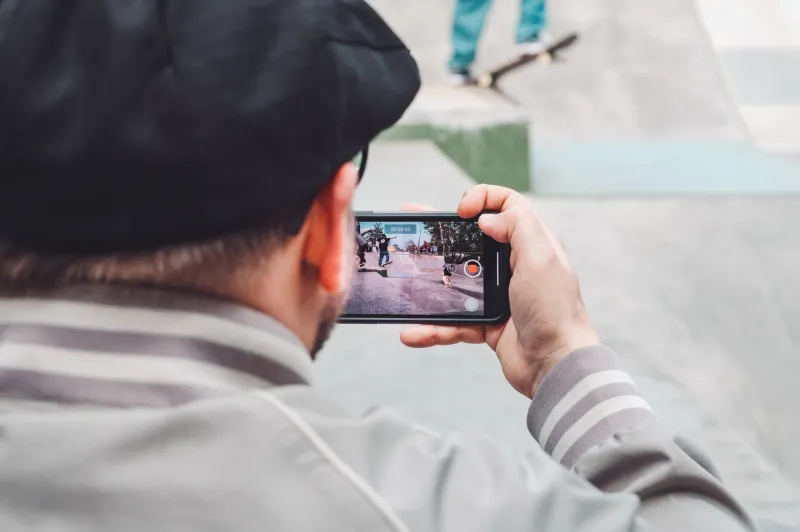
Document everything. Film your spots regularly. Not just for clips — for the record. Timestamped footage, photos, and community presence documentation can all support a cultural preservation argument later. The more evidence you have that a space has been actively used and loved, the stronger your case.
Know your city's planning process. Every US city has a planning and zoning department. Most have public meeting schedules and online portals where development applications are posted. Follow them. Set a Google alert for your neighborhood's name plus words like "rezoning," "variance," or "development permit."
Build relationships outside the skate community. City council members, local journalists, neighborhood association leaders, small business owners — these are your allies when things get political. A skater who shows up to a neighborhood association meeting before there's a fight is way more credible than one who shows up screaming after the fact.
Frame the argument in terms the city responds to. "We like skating here" doesn't move bureaucrats. "This space serves hundreds of young people weekly, keeps kids off screens, supports local small businesses, and has documented cultural significance" — that's a language city hall understands.
The Scene Doesn't Save Itself
Gentrification is going to keep coming for urban skate culture because skaters occupy exactly the kind of raw, undervalued public space that developers want. That's not pessimism — it's just the economic reality of American cities right now.
But the skaters who keep their spots are the ones who stopped waiting for someone else to protect them. They learned the systems, built the coalitions, and showed up before the bulldozers did.
Your city has a planning meeting next month. Your neighborhood has a rezoning notice somewhere that nobody's read yet. Your spot has a history worth documenting.
Get moving.