Small Decks, Big Moves: How Independent Skate Brands Are Winning the Streets Back from Corporate Giants
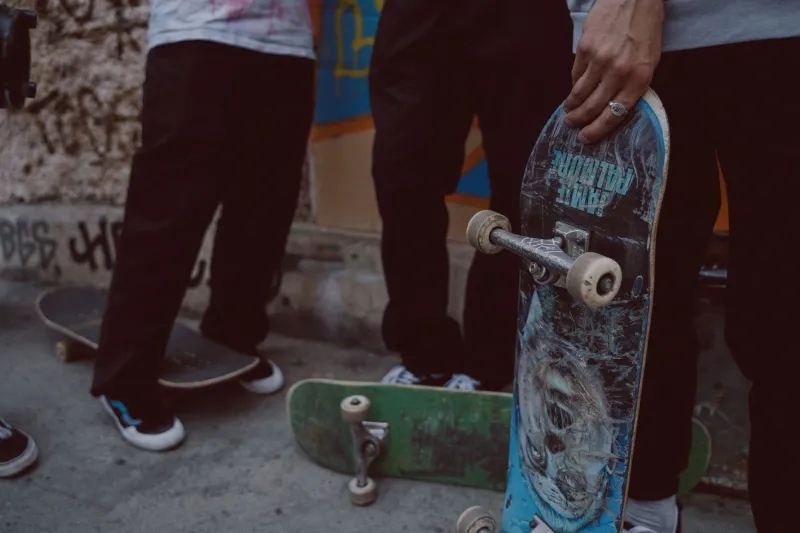
Somewhere in East Atlanta, Deja Washington is screen-printing graphics onto a fresh run of 8.25" decks at 11 p.m. on a Tuesday. Her brand, Groundwork Skate Co., launched eighteen months ago out of her basement with a $3,000 investment and a hand-built press. Today she's shipping to skaters in 22 states and just landed her first brick-and-mortar partnership with a local shop in Little Five Points.
She's not an outlier. She's the new normal.
Across the country — from Portland's Alberta Arts District to Detroit's Corktown to East Austin — a wave of independent skateboard makers is quietly disrupting an industry that corporate consolidation spent decades trying to lock down. They're building brands that feel less like companies and more like communities, and a younger generation of skaters is voting with their wallets.
How the Big Brands Lost the Plot
To understand why the indie movement is surging, you have to understand how the established players drifted. Through the 2000s and 2010s, a handful of distribution companies absorbed dozens of beloved skate brands under sprawling corporate umbrellas. The decks kept the familiar names, but the creative direction, team management, and cultural DNA shifted toward market optimization rather than authenticity.
Skaters noticed. Not all at once, but gradually — the way you notice when a neighborhood starts feeling different before you can name exactly why.
"The big brands started feeling like they were making decks about skateboarding rather than for skaters," says Jordan Kwon, 26, a street skater from Los Angeles who now exclusively rides boards from smaller West Coast makers. "There's a difference. You can feel it."
Market data backs up the sentiment shift. A 2023 survey conducted by Agenda trade show found that among skaters aged 16–28, brand authenticity and community connection ranked above price as purchasing factors — a significant reversal from trends a decade earlier. Meanwhile, independent skate brands have seen consistent year-over-year growth in specialty skate shop orders, even as big-box retailers continue stocking the legacy names.
Built in the City, For the City
What makes the new wave of independent brands different isn't just the size of their operation. It's the specificity of their perspective.
Take Concrete Bloom, a deck company started in 2021 by twin brothers Alejandro and Rafael Moreno in San Antonio. Their graphics pull directly from the city's street art scene, their team riders are all local, and a portion of every sale goes toward maintaining a DIY spot in the South Side neighborhood where they grew up skating.
"We're not trying to be a global brand," Alejandro explains. "We're trying to be the brand for San Antonio skaters. That's enough. That's actually a lot."
This hyper-local approach creates something the corporate brands genuinely can't manufacture: real stakes. When you buy a Concrete Bloom deck, you're not funding a faceless distribution network. You're directly supporting the spot where you skate on weekends.
Deja Washington frames it similarly. "Every dollar that comes into Groundwork stays in the community in some form. I buy supplies from local businesses. I pay Atlanta artists for graphics. My team riders are people I skate with. The money circulates. That's intentional."
The Skater-to-Entrepreneur Pipeline
One consistent thread across the indie brand landscape is that the founders are skaters first, business people second — and that sequence matters enormously.
Marcus Tillman, who runs Fault Line Skate out of Oakland, spent eight years as a sponsored amateur before pivoting to the brand side after watching friends get dropped from corporate-backed teams with no notice and no support. "These companies would build a skater's whole identity around their brand and then cut them when the algorithm moved on. I wanted to build something where the people involved actually had equity in what we were creating together."
Fault Line operates as a collective model — team riders receive profit-sharing rather than flat sponsorship fees. It's an unusual structure for the skate industry, but Tillman says it creates a different kind of loyalty. "My team actually cares if we succeed. They're out there talking about the brand because they own a piece of it. You can't buy that energy."
The business fundamentals are also increasingly viable in ways they weren't a decade ago. Direct-to-consumer e-commerce, print-on-demand manufacturing partnerships, and social media distribution have dramatically lowered the barriers to entry. A credible brand launch that once required significant capital investment can now happen for a few thousand dollars and a strong Instagram presence.
What Younger Skaters Are Actually Looking For
Spend any time at urban skate spots around the country and the board graphics tell a story. Alongside the legacy brand names, you'll consistently see decks from companies most people outside the local scene have never heard of. That's not obscurity — that's cachet.
"I like riding something that people at the spot ask me about," says 19-year-old Priya Santos, who skates in Philadelphia's Fishtown neighborhood. "If I show up with the same board everyone's seen in every YouTube ad, that doesn't say anything about me. If I show up with something from a brand that's actually connected to where I'm from, that's a conversation."
This desire for distinction runs deeper than aesthetics. It reflects a broader generational skepticism toward corporate branding and a genuine preference for economic relationships that feel reciprocal. Younger consumers — skaters included — are more likely to research where their money goes and more likely to care about the answer.
For brands like Groundwork, Concrete Bloom, and Fault Line, that cultural moment is an opportunity they're actively building toward.
The Ripple Effect on Local Skate Scenes
The impact of thriving local skate brands extends well beyond the companies themselves. When an independent maker succeeds, they typically reinvest in the local ecosystem — sponsoring events, contributing to spot maintenance, partnering with local shops, and creating visibility for local riders who might otherwise go unnoticed.
"A healthy local brand scene means more resources flowing through the skate community," says Jordan Kwon. "It means more events, more spots, more reasons for people to stay connected to skating in their city rather than just consuming content from somewhere else."
At Urban Skate Academy, we've watched this dynamic play out firsthand. The skaters who are most invested in their local scene are almost always the ones riding local brands, shopping at independent shops, and showing up to community-organized events. The brand choice isn't superficial — it reflects a whole orientation toward skating as something you participate in rather than just consume.
Supporting the Movement
If you want to be part of this shift, the entry point is straightforward: do your homework before your next deck purchase. Search what's coming out of your city. Hit up your local shop and ask what independent brands they're stocking. Follow the small accounts. Show up to the local events.
The corporate brands will always have the marketing budgets. What the indie makers have is something harder to manufacture — genuine roots in the places and people that make street skating worth caring about.
Deja Washington is already planning Groundwork's next graphic series. She's collaborating with three Atlanta muralists, and the run will be limited to 150 decks. They'll sell out before most people even hear about them.
That's the whole point.