Ghost Spots: How to Hunt Down America's Forgotten Skate Gems Before the Bulldozers Win
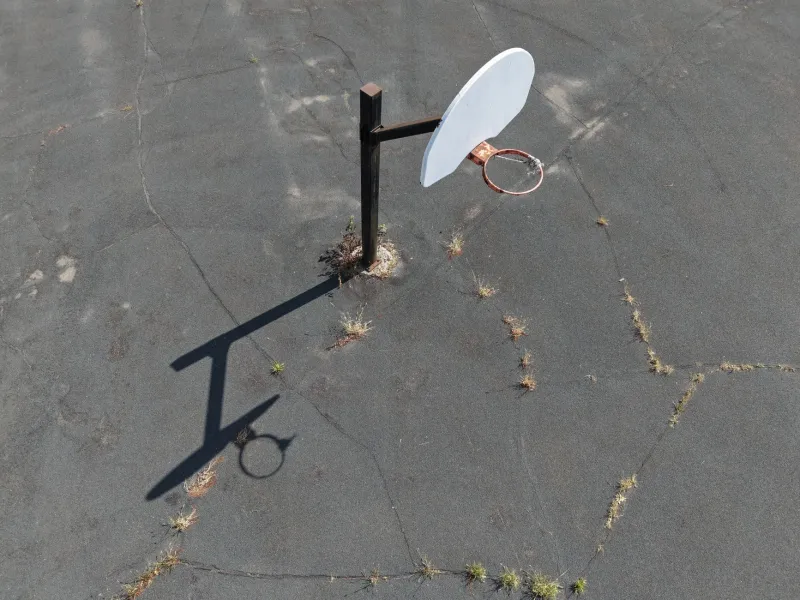
Every city has a graveyard nobody talks about. Not the kind with headstones — the kind with cracked marble ledges swallowed by weeds, abandoned plazas where the security cameras have been dead for years, and empty parking structures where the echoes of kickflips still feel fresh even though nobody's skated there in a decade. These are ghost spots. And if you know how to look, they're everywhere.
Urban development in the US is moving faster than ever. Vacant lots get flipped into mixed-use condos. Historic plazas get "revitalized" with planters and anti-skate bolts. Whole neighborhoods get rezoned overnight. For skaters, this means the clock is always ticking. The spot you heard about from your older cousin? It might already be gone. The marble bank behind the old federal building downtown? Slated for demolition by spring.
But here's the thing — lost doesn't always mean gone forever. And forgotten doesn't mean unfindable.
Why Ghost Spots Matter More Than You Think
There's a tendency in skate culture to chase the new. New parks, new drops, new clips from spots that just got discovered. That's all valid. But ghost spots carry something different: history, character, and a kind of raw authenticity that purpose-built skateparks can't manufacture.
Think about spots like the old Embarcadero in San Francisco, Love Park in Philly, or the Brooklyn Banks in New York. Each one of those places shaped how street skating looks and feels today. They weren't designed for skating — they were claimed by it. And when they disappeared or got locked down, something real was lost from the culture.
The ghost spots hiding in your city right now? Some of them have that same potential. They just haven't been found yet.
How to Start Hunting
Scouting ghost spots is part detective work, part urban exploration, and part dumb luck. Here's how to stack the odds in your favor.
Start with old footage. YouTube and Vimeo are goldmines. Search your city name plus "skate video" and filter by upload date — go back as far as the platform allows. Watch the background. Pay attention to architecture, signage, street names. Skaters in the early 2000s weren't always tagging locations, but they were filming in real places that still exist — or at least the bones of them do.
Dig into Google Maps history. Google's Street View has a time-lapse feature that lets you scroll back through years of imagery for specific addresses. If you've got a rough idea of where a spot used to be, you can watch it change over time — and sometimes catch a window where the location still looks skateable.
Talk to older locals. This sounds obvious, but it's criminally underused. Every city has OGs who've been skating since before you were born. They know which spots got demolished, which ones are technically still there but fenced off, and which ones have been sitting quietly untouched for fifteen years. Buy them a coffee. Ask questions. Listen.
Use city planning databases. Most major US cities post their development permits and zoning changes online. It's dry reading, but it tells you exactly which properties are about to be torn down, renovated, or transferred — which means you've got a narrow window to get there first.
When You Find One: Document Everything
Maybe you've tracked down a forgotten loading dock with a perfect hip. Maybe it's an old bank building with marble steps that haven't been touched in years. Whatever you've found, your first move isn't to skate it — it's to document it.
Shoot photos and video from multiple angles. Note the surface conditions, the dimensions of any ledges or transitions, the surrounding environment. Drop a pin. Write down what you observed. This might feel like extra work when all you want to do is drop in, but documentation is what transforms a personal discovery into a community resource.
Platforms like Skatespot, Skateboarder's Atlas, and even community-maintained Google Maps lists have become informal archives for exactly this kind of intel. Contributing to them is how the culture preserves its own geography. When a spot gets demolished six months from now, at least there's a record that it existed — and that it mattered.
The Advocacy Angle: Turning Discovery Into Action
Documentation is step one. Advocacy is step two — and it's where things get genuinely interesting.
Grassroots skate preservation isn't new. Groups like the Skatepark Project (formerly Tony Hawk Foundation) have spent decades pushing for public skate infrastructure. But the preservation of specific street spots is a different, scrappier fight — and it's one that local skaters are uniquely positioned to lead.
If you find a spot on public land that's being neglected rather than actively demolished, there are real pathways to getting it cleaned up and legitimized. City parks departments sometimes respond to organized community requests for spot maintenance. Local council members — especially in cities with progressive urban planning cultures like Portland, Austin, or Denver — have shown real openness to incorporating skate-friendly design into public space renovations.
The key is showing up with more than vibes. Bring documentation. Bring numbers — petitions, emails, a crowd of people who actually care. Show the city that this space has community value. It works more often than you'd expect.
Community Mapping: The Bigger Picture
One of the most powerful things happening in skate culture right now is the rise of collaborative spot mapping. The idea is simple: instead of every skater hoarding their local knowledge, the community builds a shared, living map of spots — including the ones that are fading fast.
Some cities already have informal versions of this through local Facebook groups, Discord servers, or subreddit threads. But the opportunity to build something more organized — a dedicated, city-specific archive of skateable locations past and present — is wide open in most markets.
If you've got the bandwidth, consider starting one for your city. Even a simple Google Map with pinned locations, photos, and condition notes is more than most places have. Tag it clearly, share it with your crew, post it in local skate communities. Watch it grow.
The Clock Is Real
Here's the honest truth about ghost spots: most of them don't get saved. Development wins more often than preservation does. The marble ledge you found last month might be a parking garage by next year. That's just the reality of skating in American cities right now.
But that's exactly why the hunt matters. Every spot you find and document is a small act of resistance against the erasure of skate history. Every video you shoot, every pin you drop, every conversation you have with an OG who remembers what used to be there — that's how the culture keeps its memory alive.
The streets are always changing. The best skaters learn to move with that change, find the gaps, and claim whatever's left before it disappears. Ghost spots are out there waiting. Go find them before someone else pours concrete over them for good.