Why Your City Is the Real Coach: How Urban Geography Shapes the Way You Skate
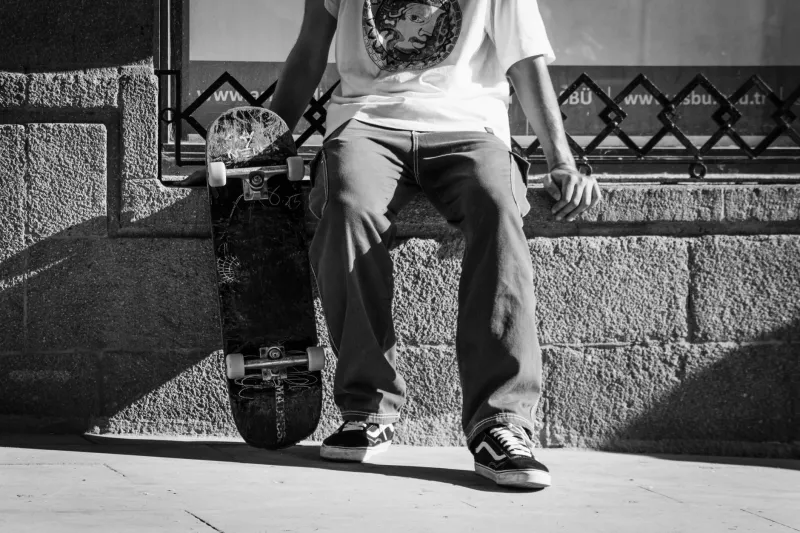
You didn't choose your city. But your city chose your skating style — whether you know it or not.
Spend enough time watching footage from different parts of the country and something starts to feel obvious. LA skaters move differently than Philly skaters. New York produces a certain aggression, a certain economy of motion, that you just don't see coming out of Phoenix or Portland. These aren't just aesthetic differences. They're the direct output of infrastructure, climate, city planning, and the specific kind of concrete those communities poured into their streets decades before you ever stepped on a board.
If you want to understand why you skate the way you do — and how to push past the limits your environment has quietly set for you — you need to start thinking about your city as a training system, not just a backdrop.
The Architecture of Style
Los Angeles is sprawling, car-centric, and blessed with near-permanent sunshine. What does that produce? Skaters who are comfortable with long manual pads, smooth asphalt, and wide-open plazas designed for pedestrians who never actually walk. The famous Southern California style — fluid, technical, with an emphasis on clean execution over raw aggression — is a direct reflection of that geography. When your city hands you perfect pavement and endless space, you learn to slow down and make things look good.
Philadelphia is almost the exact opposite. The city's older infrastructure means rougher surfaces, unpredictable transitions, and gaps that weren't designed with any kind of skater-friendliness in mind. LOVE Park — before the city renovated it into something far less skateable — was essentially a perfect storm of marble ledges, brick plazas, and concrete that rewarded skaters who could adapt on the fly. Philly skaters learned to be gritty because their city demanded it. You either figured out how to handle bad ground, or you went home.
New York compresses everything. The density means you're always skating in tight quarters, reading pedestrian traffic, negotiating with a city that never stops moving. Manhattan skaters develop a kind of spatial intelligence that's genuinely hard to teach in a controlled environment — they learn to find lines in chaos, to read a spot in seconds, to commit to a trick before the window closes. That mental sharpness is the city's gift.
What Your City Is Teaching You Right Now
Here's the thing most skaters never stop to consider: whatever city you're in is actively training you, every single session. The question is whether you're aware of what it's teaching — and whether those lessons are complete.
If you grew up skating smooth suburban skateparks or freshly paved parking lots, you're probably technically clean but potentially uncomfortable with chaos. If you've only ever skated rough urban terrain, you might have incredible bail instincts and raw adaptability but less patience for the kind of deliberate, repetitive practice that builds technical precision.
Neither environment is better. Both are incomplete.
The skaters who develop the most well-rounded skill sets are usually the ones who've skated in genuinely different cities — or who've been deliberate about seeking out the spots within their own city that challenge their weaknesses.
Climate as a Hidden Variable
Geography isn't just about pavement. Weather shapes skate culture in ways that don't get talked about enough.
In cities with brutal winters — Chicago, Minneapolis, Detroit — skaters develop a certain intensity during the months when outdoor skating is possible. The season is short, so sessions are longer and more focused. Indoor skateparks become community hubs in a way they never quite do in year-round skating climates. That forced compression tends to build tight-knit crews and a certain seriousness about progression.
In places like Miami or San Diego, skating is available 365 days a year, which sounds like an advantage. And it is — until it breeds a kind of casualness about sessions. When you can always skate tomorrow, today's session carries less urgency. Some of the most motivated skaters from warm climates are the ones who've internalized artificial deadlines to fight that tendency.
Reading Your Own City's Skate DNA
So how do you actually apply this to your own skating? Start by getting analytical about your environment.
Walk your city — or your neighborhood — without a board. What kind of infrastructure dominates? Are the ledges granite or painted concrete? Are the gaps wide or narrow? Is the ground smooth or textured? What percentage of the city was built before 1970, when urban design prioritized very different things than it does now? Old cities tend to have more marble, more varied surfaces, and more accidental skate architecture. Newer cities tend toward uniformity, which is either an asset or a limitation depending on what you're trying to learn.
Then look at what the best local skaters in your city are doing. Not the sponsored names — the people who've been skating your specific streets for years. Their style is a map of your city's possibilities. Watch how they move, where they go, which obstacles they seek out and which they ignore. That's your curriculum.
Breaking Out of Your Geographic Comfort Zone
Once you understand what your city has been training you to do, the growth move is simple: seek out what it hasn't been training you to do.
That might mean taking a trip. Skating a weekend in a city with a radically different infrastructure is genuinely one of the fastest ways to expose your gaps and expand your style. You don't need to go far. If you're from a mid-size Sunbelt city, a weekend in San Francisco — with its hills, its varied surfaces, and its genuinely dangerous terrain — will teach you things about your own skating that months of local sessions couldn't.
But you don't even have to leave town. Most cities contain multitudes. The historic downtown core of almost any American city skates completely differently from the suburban edge or the industrial waterfront. Deliberately exploring those zones, rather than returning to your comfortable spots, is how you start to build a more complete skater's vocabulary.
Your city is always talking. The question is whether you're fluent enough to hear what it's actually saying — and honest enough to notice when it's been telling you the same thing on repeat.